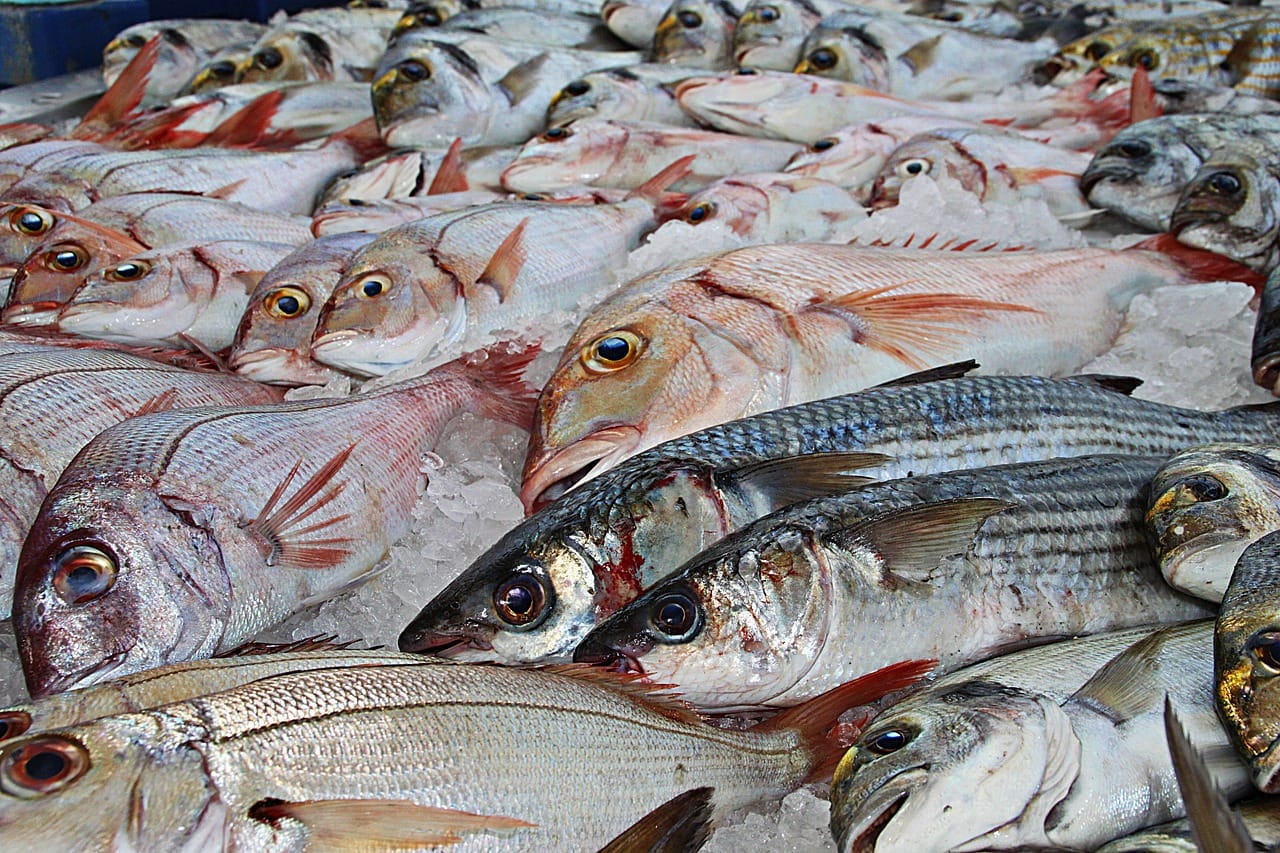
Faces of the fish market
Three weeks of four o'clock mornings among the traders, filleters and auctioneers of a market that moves in two years.
 Amara Osei
4 min read
Amara Osei
4 min read
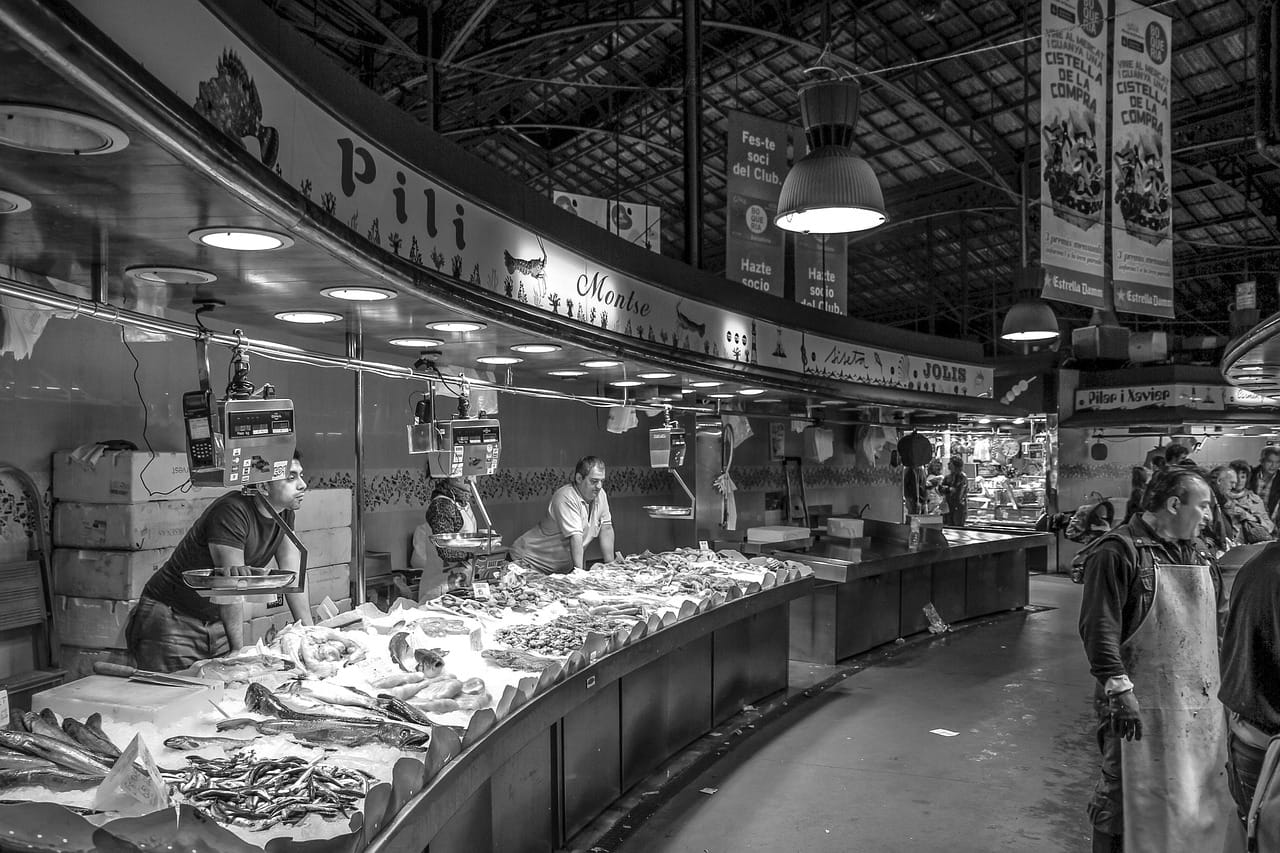
The fish market opens at four. By six it is already winding down. If you want to see it properly, you need to be there in the dark, in boots, keeping out of the way of forklifts driven by men who have been doing this for forty years and have no time for photographers.
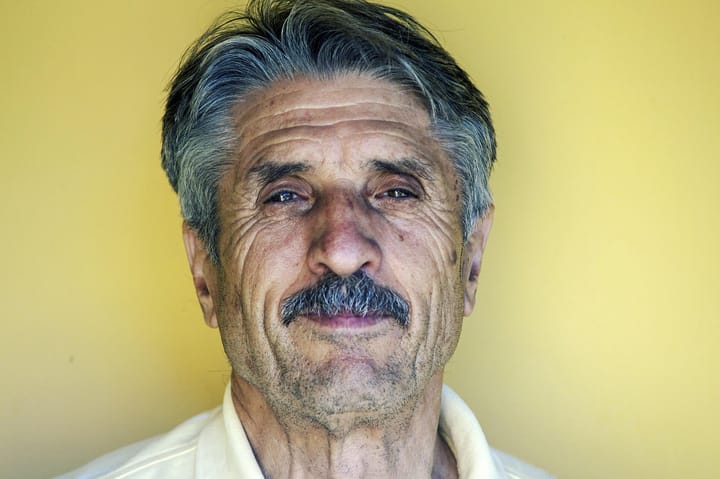
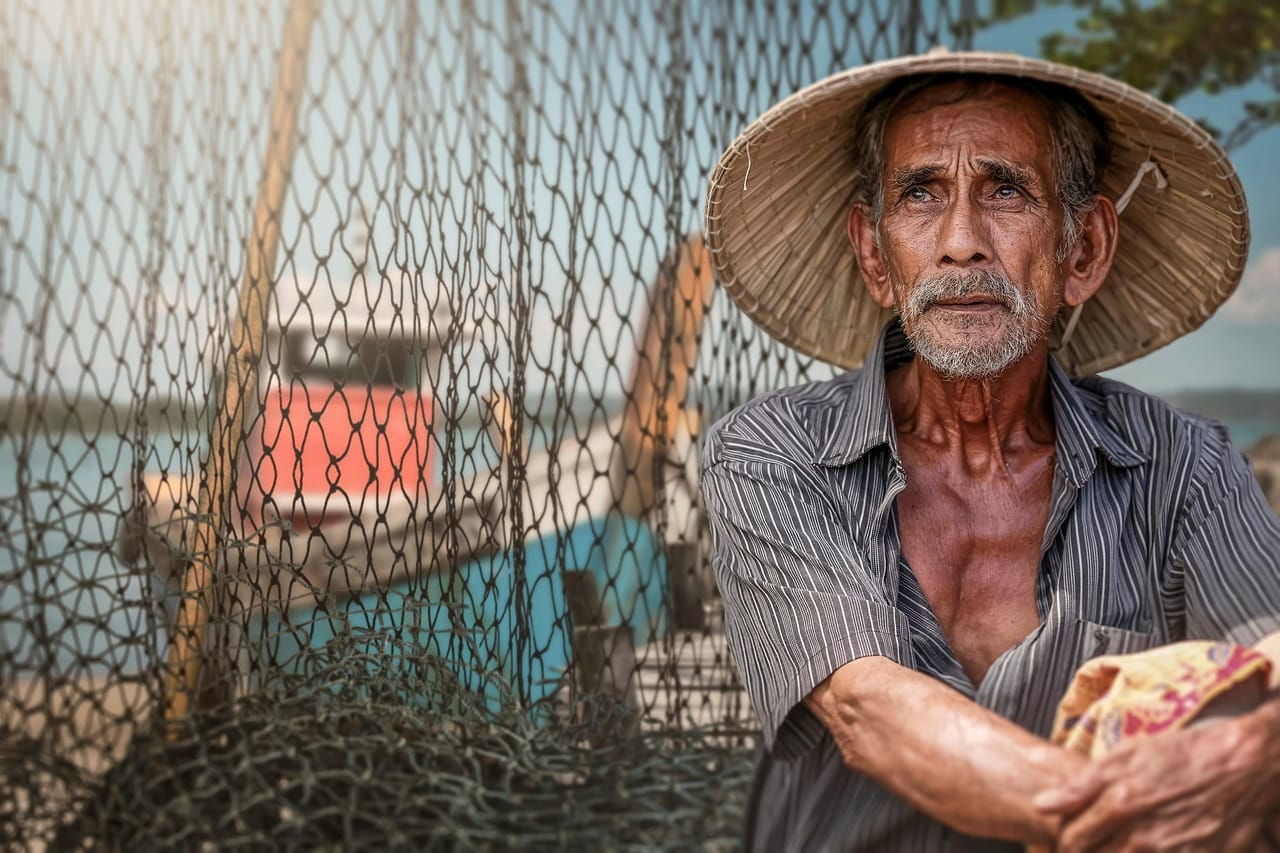
I went back every morning for three weeks. By the end, some of the traders let me stand behind their stalls. These are their portraits.
A trade of hands
Fish markets are built on skill that is almost entirely physical. Traders judge a fish by pressing its flesh, looking at its eyes, smelling its gills. Filleters work at a speed that is hard to follow with the naked eye. Auctioneers conduct sales in a rapid, rhythmic chant that newcomers find impossible to understand.
Most of the people I photographed learned the trade from a parent. Several are the fourth or fifth generation of their family on the same stall. They are proud of it, and a little worried: few of their children want to get up at three in the morning to handle ice with bare hands.
Light in a cold room
The market is lit by overhead tubes, which produce a flat, green-tinged light that is terrible for portraits. I solved this by working at the edges: near the loading doors, where the first grey daylight comes in, or beside the stalls where traders hang their own warm bulbs.
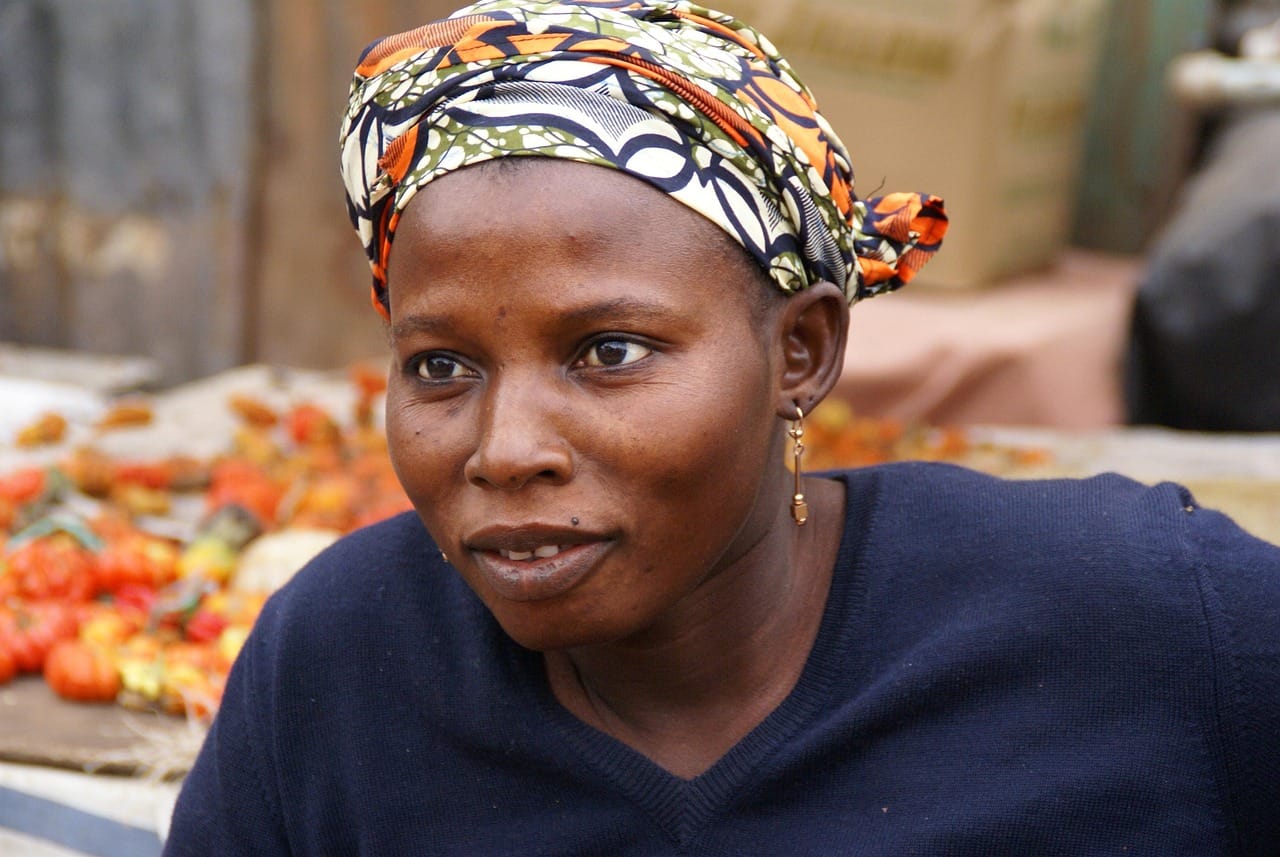
I photographed everyone in the same way: close, at eye level, with the market blurred behind them. I wanted the portraits to feel like a series, the faces of a single community.
I have sold fish to the same families for thirty years. I have watched their children grow up by what they buy.
Rosa, stallholder

The women of the market
The market has always been imagined as a male world, and the forklift drivers and auctioneers are still mostly men. But many of the stalls are run by women, and several of the most respected traders on the floor are women in their seventies.
Rosa, who runs a shellfish stall with her two sisters, laughed when I asked about it. "The men make the noise," she said. "We make the money."
After six
By six o'clock the restaurant buyers have gone, the floor is being hosed down and the traders are counting cash and drinking tea from flasks. This is the best time to talk to them. The pressure is off, and most are happy to tell stories: the storm of 1987, the year a whale was brought in by mistake, the celebrity chef who tried to haggle and was sent away.
The auction
At half past four, a bell rings and the auction begins. The auctioneer stands on a small platform above the day's catch and calls prices in a fast, singsong chant. Buyers signal with the smallest possible movements: a raised finger, a nod, a tap on a notebook. A box of fish can change hands in four seconds. Newcomers cannot follow it at all.
I spent two mornings standing beside the auctioneer, a softly spoken man called Joe who has run the sale for twenty-two years. He explained that the chant is not for show. It keeps the rhythm of the sale, and the rhythm keeps prices honest. "If I slow down, people start thinking. If they start thinking, they bid less."
Why portraits, and why here
I chose to photograph people rather than fish because the market is really about them. The fish change every day. The faces do not. Some of the traders have been standing in the same spot, under the same light, for half a century. I wanted to record them before the move to a new building changes everything, including, perhaps, who decides to stay.
Every trader in this story received a print. Several are now pinned up behind their stalls, curling slightly in the damp air.
A disappearing world?
Many city fish markets have moved in recent decades, from historic central buildings to modern warehouses on the edge of town. The move usually makes sense on paper: better hygiene, better access for lorries. But something is lost. The old markets were part of the city. The new ones are part of the supply chain.
This market is due to move in two years. The traders are philosophical. "We will still get up at three," says Martin. "The fish will still be fish."